
Garage Floor Coatings That Last
From cracks to showroom shine, we turn tired concrete into a floor that works hard and looks even better.
Turn Your Garage Floor From Beat-Up to Showroom-Ready
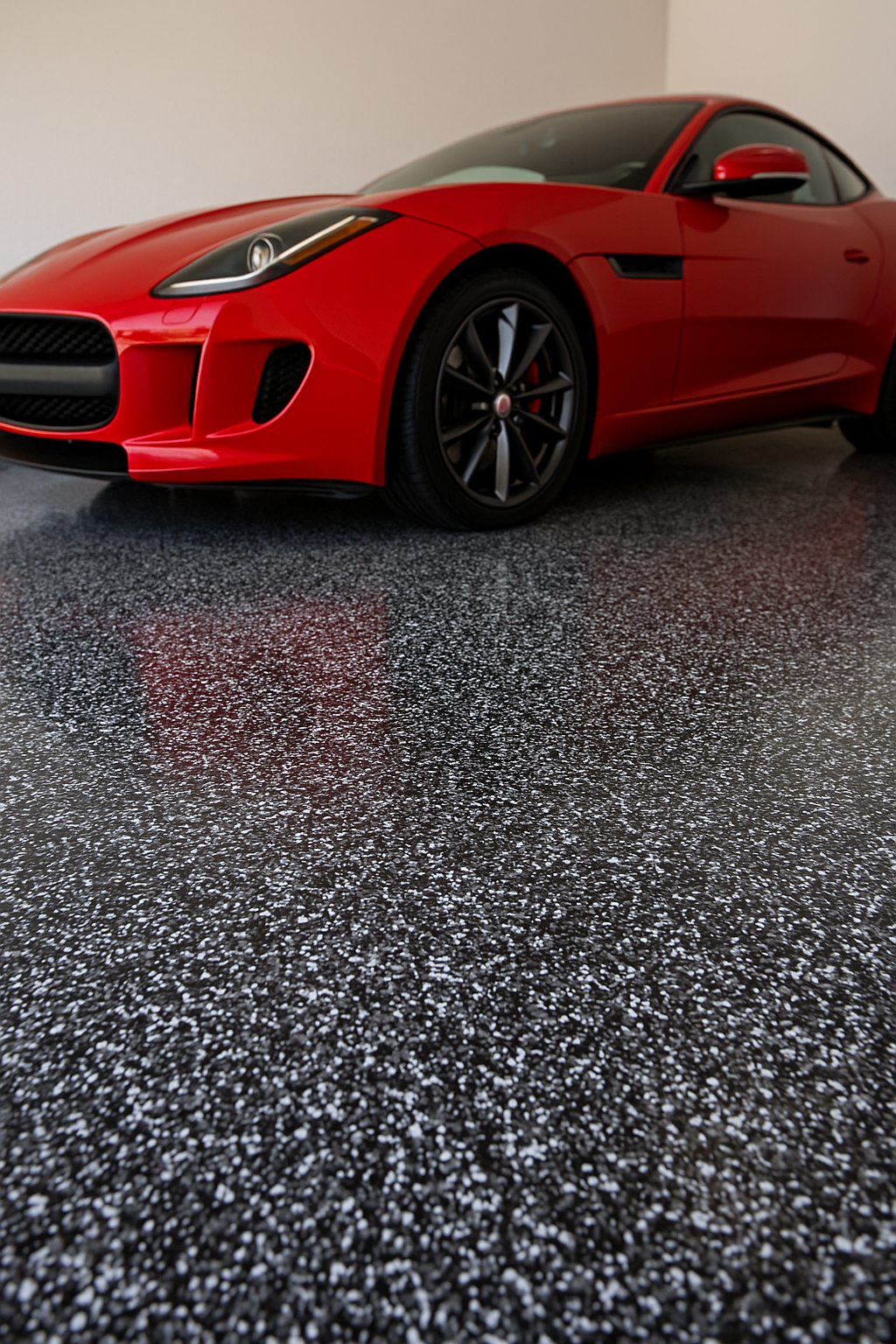
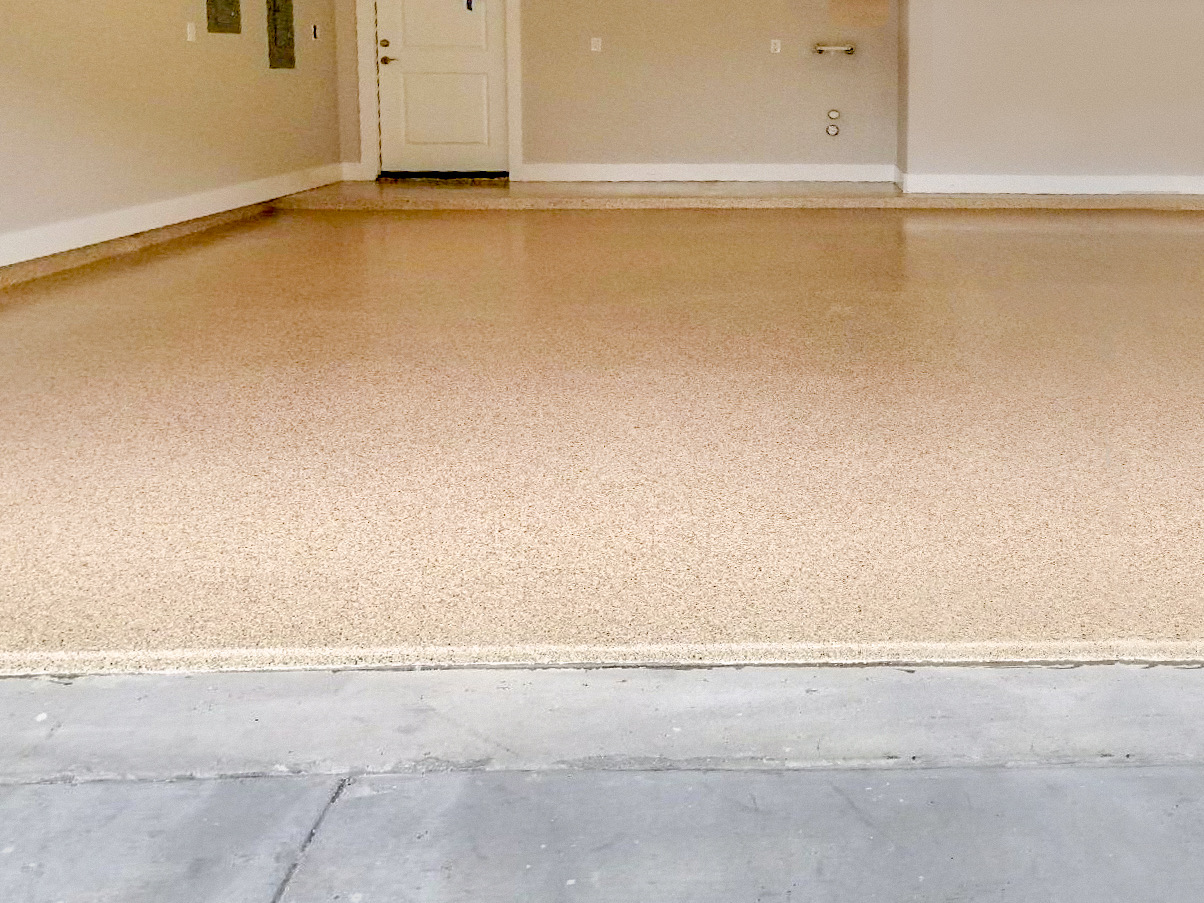
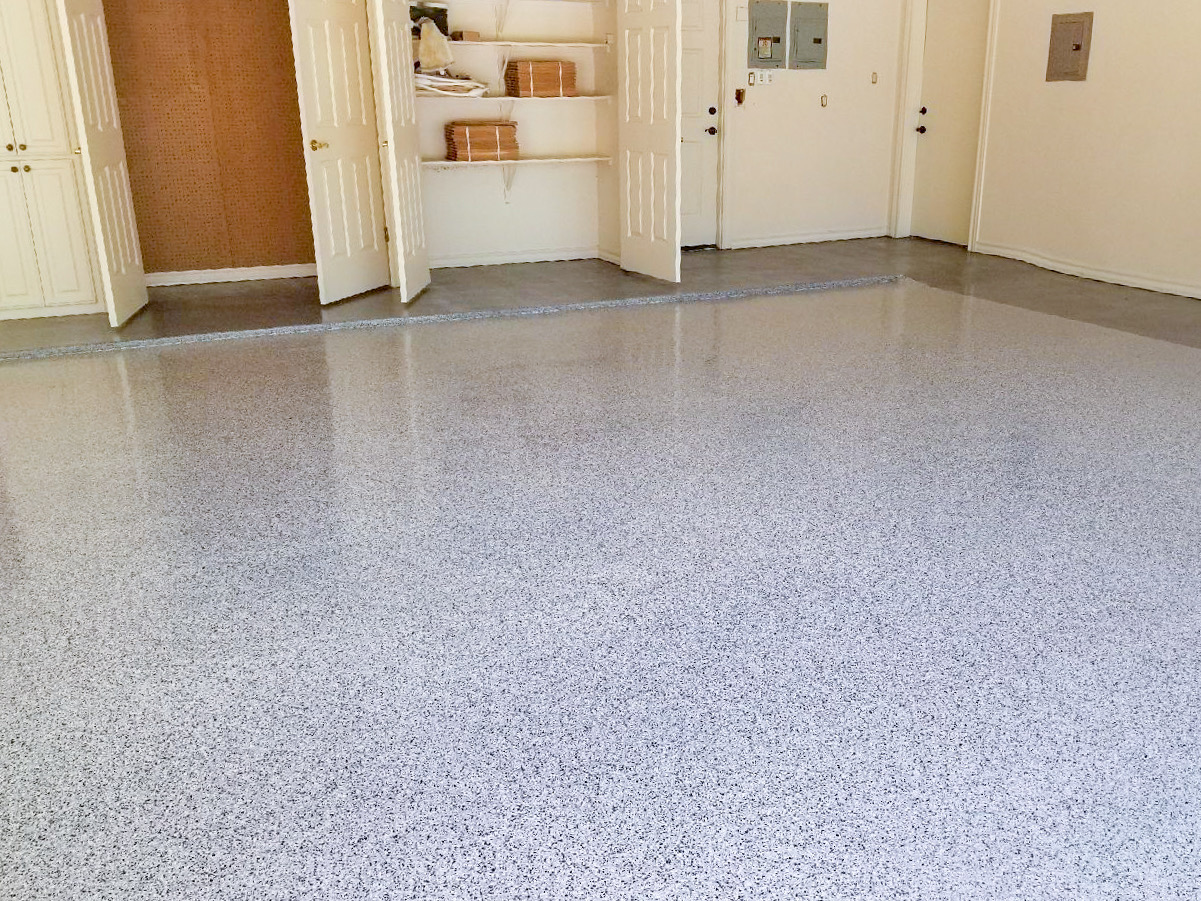
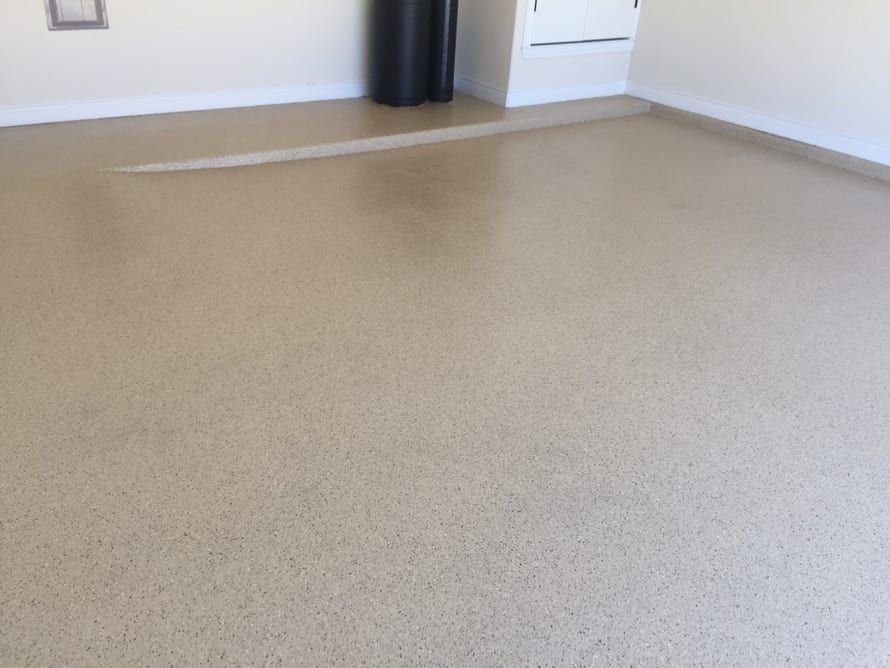
What’s the Best Garage Floor Coating?
Your garage floor takes a beating. Cars, bikes, tools, oil spills, hot tires, you name it. Paint might look fine for a minute, but it’ll peel faster than a bad sunburn. That’s why most people look at epoxy, polyurea, or polyaspartic coatings. But which one’s actually the best for your garage? Let’s break it down without the sales pitch.
- Hides cracks and stains
- Wide range of colors and textures
- Handcrafted stone-like finishes
- Built for driveways, patios, and decks
- Cooler and slip-resistant
- Sealed for lasting protection
- Boosts curb appeal and home value
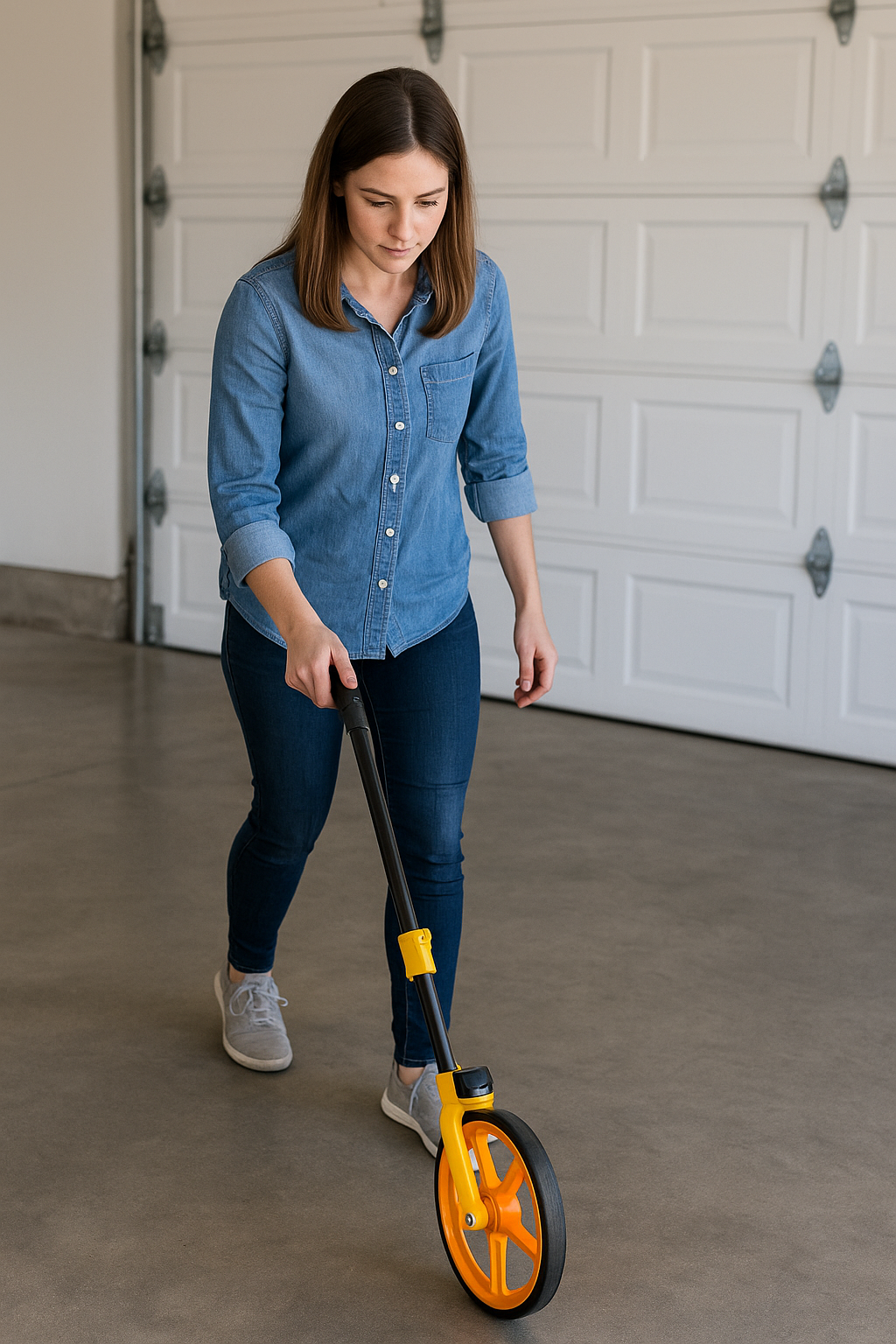
Overlay & Epoxy/Polyurea Cost Calculator
Enter your square footage, choose a finish, and see a ballpark range. Final pricing depends on site conditions and options.
Disclaimer :
“This calculator is for informational purposes only and is intended to provide a ballpark estimate based on average square footage pricing. Actual project costs may vary. Final estimates take into account additional factors such as concrete prep, removal of old coatings or damaged material, repair work, site accessibility, and the porosity of the concrete (which can affect material usage). For an accurate quote tailored to your project, please schedule a free on-site consultation with Texas Premier Coat Resurfacing.”
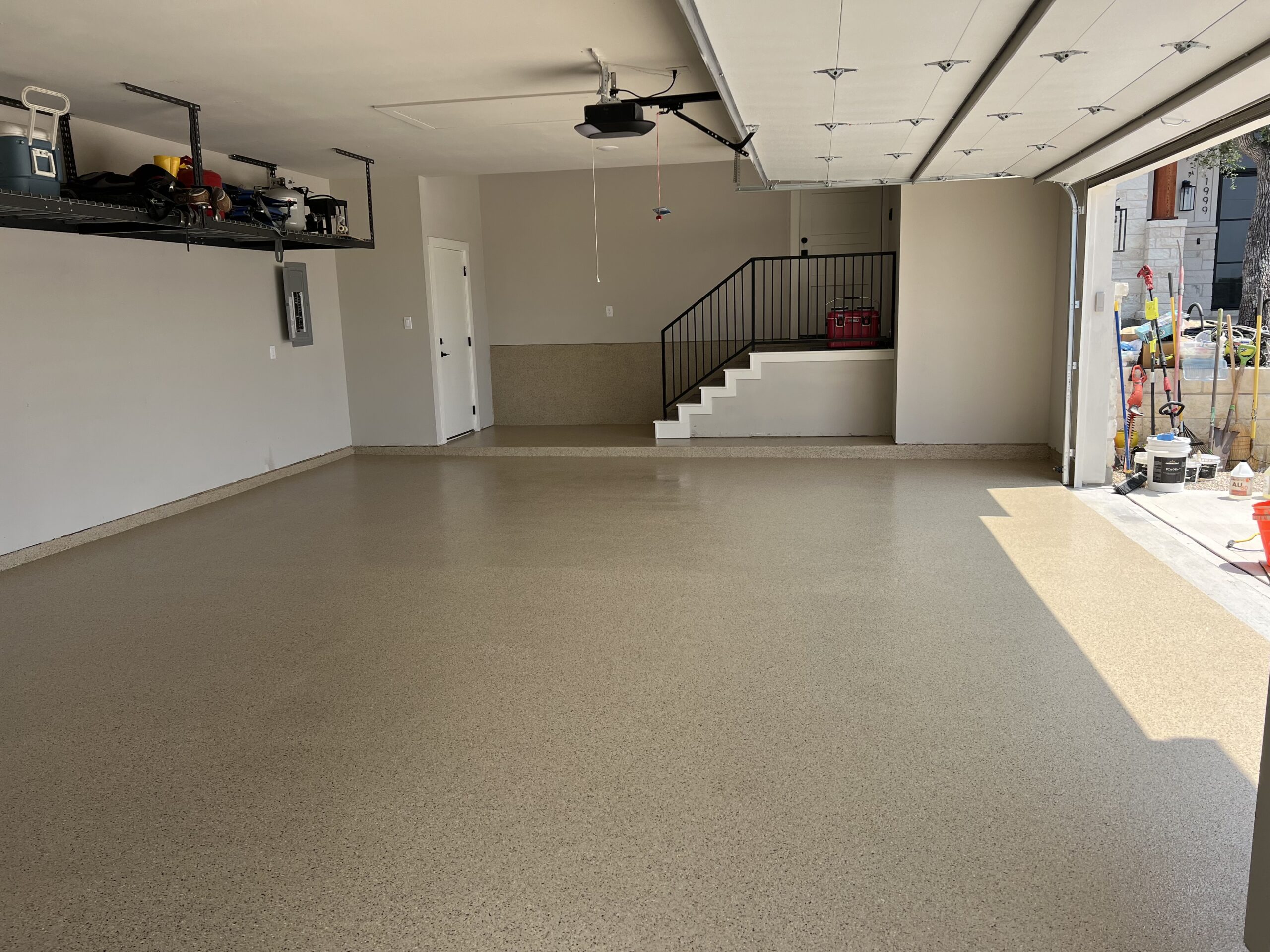
Epoxy: The Old Reliable
Epoxy has been the go-to for years. It’s tough, chemical-resistant, and can hide some imperfections. It’s also cheaper than other options. The catch? It takes forever to cure. You’ll be walking on it after a day, but you can’t park the car for a week. And if it’s cold outside, tack on even more waiting.
Another thing: epoxy mostly sits on top of your concrete. It doesn’t sink down into the pores of the slab, which means over time it can peel or chip when the surface takes a hit. Think of it like putting tape on a dusty wall… it sticks, but not forever.
Polyurea: The Speed Demon
Polyurea sets crazy fast. We’re talking minutes, not hours. That’s awesome if you want your garage back the same day, but not so great if you’re applying it yourself and sneeze at the wrong moment. Unlike epoxy, polyurea soaks into the concrete and bonds deep, so it’s less likely to peel or flake off later. It’s flexible, impact-resistant, and can handle temperature swings better too.
The downside? Sunlight isn’t its friend. Leave it exposed to UV, and it might fade or discolor.
Polyaspartic: The Upgrade
Polyaspartic is like polyurea’s smarter cousin. It cures quickly, but not so fast you panic during application. It also plays nice with sunlight, so no weird yellowing over time. It costs more upfront, but it tends to last longer than epoxy. The main drawback? It doesn’t do well if your garage floor has a moisture problem, and it’s not exactly a weekend DIY project.
So, Which One Wins?
-
Epoxy: Budget-friendly, DIY-friendly, but slower to cure and doesn’t bond as well.
-
Polyurea: Super tough, bonds deep into the concrete, but tricky to apply and not UV-stable.
-
Polyaspartic: Durable, UV-resistant, quick turnaround, but pricier.
If you want the “forever floor,” pros usually layer these systems: an epoxy or polyurea base with a polyaspartic topcoat. That way, you get the best of all worlds; durability, looks, and UV protection.
The Bottom Line
Your garage isn’t just a car park, it’s a workshop, a gym, or maybe just the place where you store way too many holiday decorations. Whatever you use it for, the right coating keeps it looking sharp and standing up to abuse. If you’re serious about long-term durability, polyaspartic (with a pro applying it) is usually your best bet. If you’re on a budget and have some patience, epoxy can still hold its own.
| Feature | Epoxy | Polyurea | Polyaspartic |
|---|---|---|---|
| Bond to Concrete | Sits on surface (can peel) | Soaks into pores, strong grip | Soaks into pores, strong grip |
| Cure Time | 5–7 days for vehicles | Next day | Next day |
| UV Resistance | Poor | Low | Excellent |
| Durability | 5–7 years | 10–15 years | 10–15+ years |
| DIY Friendly | Yes | No | No |
| Cost | Lower | Mid | Higher |
| Best For | Budget & DIY | Fast installs & durability | All-around + UV |
Frequently Asked Questions
Why should you use a concrete overlay?
Concrete coatings offer a beautiful, durable, and low-maintenance solution for outdoor areas. Not only do they protect against weathering, stains, and daily wear and tear, but they also come in a wide range of design options to match your style.
Looking to upgrade your outdoor space? Contact us today to explore your options!
Is it expensive to resurface concrete? and How much do you charge?
Great question! The cost of resurfacing depends on a few factors, like the size of your project and the level of prep work required. On average, most residential concrete resurfacing projects start between $6.75 to $10 per square foot.
Keep in mind that special prep work—like tile or carpet removal, extensive grinding, or working on steps, vertical surfaces, or pool coping—may add to the cost.
The good news? Resurfacing is far more affordable than tearing out and replacing concrete! Plus, you get a completely customized, high-end look without the hassle of a major renovation.
How long will a concrete coating last?
Quartz Coat is built to last! Compared to other overlay options, it’s one of the most durable resurfacing solutions available. With proper care and maintenance, you can expect it to outlast many other finishes—and in some cases, overlays have remained in excellent condition for over 20 years!
Regular sealing and upkeep will keep your surface looking beautiful and strong for years to come. Want to protect your investment? We’re here to help—contact us today for maintenance tips and expert advice!